



Introduction
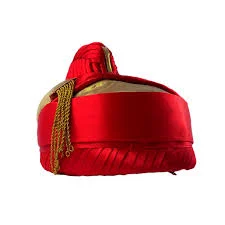
As we know, various types of headgear are popular in different regions throughout India. Every community in India has its own unique forms of headgear that have some historical and cultural significance. The turbans and headgears always act as a symbol of the pride of a person. It represents the dignity and respect of an individual in his community. In many communities, the headgear is more important than their life. Such a headgear has a history of great significance. From the history of Maharashtra, such a headgear is the Puneri Pagdi. The shine and pride of a Marathi person. It tells about the glory of Maratha history. The Pagdi history and evolution revolve around Pune city.
History
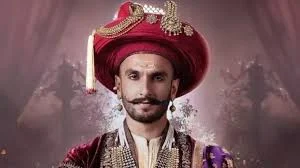
The history of Puneri Pagdi is totally related to the Maratha dynasty. We get the references of Puneri Pagdi in Bakhars, where it’s shown as a sign of authority, which was worn by the warriors and administrators of the Maratha dynasty. Why is it known as Puneri Pagdi reason is that in the Peshwa period, Pune became the capital, and Peshwas were used to wear this headgear. This is the time when this Headgear started getting popular and became the cultural identity of the city. Slowly, slowly, it became a part of their dress code. But later, during the time of the Peshwa, the Pagdi was divided into two parts. First, the royal turbans, which were adorned with jewels, and second, the Puneri pagdi, which was developed as a simpler yet elegant headgear. As time passed, the Puneri pagdi was closely associated with the scholars, teachers, and social reformers. The Puneri pagdi became a symbol of power and wealth.
Design
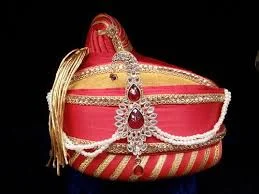

The Puneri Pagdi is usually prepared from cotton or silk material, which is soft because the headgear should be made of soft material; otherwise, it would be painful while folding, and the headgear would feel heavy. One more reason for preferring cotton material is that it suits the climate of Maharashtra. The cloth is usually used in white or saffron colour. The length of the cloth is not more than 5 feet. The skill of wearing a Puneri pagdi is not easy; it has multiple folds in it, which are arranged in an interlocking manner. The Puneri Pagdi is usually smaller compared to all other turbans found in India. The Puneri Pagdi is Flat from the top, not rounded like other turbans. The Flat surface of the Puneri Pagdi helps to balance the Structure. This design also represents the discipline. The simplicity of the Puneri pagdi is the way it stands out among all the turbans in India. The design of the Puneri pagdi has been developed over the generations.
Culture Significance
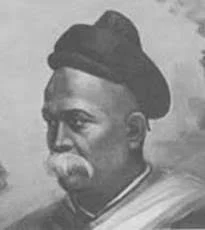
The Puneri Pagdi is a symbol of respect and honour, which is used to felicitate someone’s ceremonies. A mark of Social respect. In many villages, the Sarpanch of the Gram Panchayat used to wear these to represent the power of authority. The Pagdi became the representation of authority earned through experience. As we all know, Pune city is popular for its culture and tradition. Pune city carries its own history and legacy. Some people also say that Pune is the cultural crown of the Maharashtra state. Puneri Pagdi is a way of the Puneri people of celebrating their identity.
Importance of Puneri Pagdi in Ceremonies Such as Weddings, Religious Events, Political Gatherings, Cultural Programs, and Award Ceremonies. The Puneri Pagdi makes the atmosphere of the ceremony respectful just by its presence. Many political leaders still wear these Pagdis to express their culture. This helps to maintain the cultural roots. In festivals, people wear these turbans as an Asmita (symbol of pride).
Modern Relevance
In today’s world, globalisation is occurring rapidly. In the current generation, we are losing the importance of traditional attire, and we are shifting towards Western attire. Western culture has started dominating Indian culture. But after COVID-19, a slight change has come in the thinking process of the young generation. Now, a collective young generation is attracted towards heritage walks, pilgrimage site visits, and giving importance to traditional culture, but Western culture is not weak. Many local communities are promoting the tradition and culture to keep it alive. Now the modern generation is using different quality of fabric for the preparation of Puneri Pagdi, the style is still the same, but changes in fabric are introduced.
Puneri Pagdi was a symbol of pride and honour. As we saw in many movies, the Padgi is shown as supreme, which has more value than money; people most of the time misjudge it.
Conclusion
For many people, it is just a cotton cloth, but the person who knows its importance knows the value of this Pagdi. It’s a perfect example of how simple things have more value and hold deep values. Rather, many fancy hats or caps show how simplicity holds respect. The structure and design of Puneri Pagdi is not very complex, yet it holds an important place in Maharashtra culture and tradition. In the so-called Gen Z generation, where tradition often fades, the Puneri Pagdi was able to maintain its importance. The Puneri Pagdi appears in ceremonies. This type of Tradition helps to connect the past and the present. The people wear these Pagdis not for style but as a symbol of Dignity and Authority.
References
- Karve, Irawati. Maharashtra: Land and Its People. Directorate of Government Printing and Stationery, Maharashtra State.
- Kosambi, D.D. The Culture and Civilisation of Ancient India in Historical Outline. Useful for understanding the historical context of Indian and regional traditions.
- Kulkarni, A.R. Peshwa Kalin Maharashtra. Continental Prakashan, Pune.
- Details social life and cultural symbols during the Peshwa period. Gazetteer of the Bombay Presidency – Pune District. Government of Maharashtra.
Official documentation of Pune’s cultural and social heritage. - Deshpande, G.P. Maharashtratil Samajik Ani Sanskrutik Parampra. Popular Prakashan, Mumbai. Discusses Maharashtrian customs, dress, and identity.
- Joshi, S.B. Maratha History Revisited. University of Pune Publications. Explains cultural symbols during the Maratha era.
- Maharashtra State Cultural Department. Maharashtrian Traditions and Heritage.